From First Spark to Perfect Coals: The Life of a Fire
From First Spark to Perfect Coals: The Life of a Fire
Lighting a fire seems simple enough: add wood, strike a match and wait for the flames.
But a good wood fire actually goes through several distinct stages – and understanding them can help you know when to add more wood, when to leave the fire alone and, most importantly, when it’s time to get the cooking grid out.
From the first flicker of kindling to the glowing coals left at the end of the evening, here’s what’s really happening in your fire pit.
Stage 1: Getting the Fire Started
Every good fire starts small.
Kindling and smaller pieces of dry wood ignite more easily than large logs because more of their surface area is exposed to heat and oxygen. Once these smaller pieces are burning steadily, they begin producing enough heat to ignite larger pieces of wood.
This is also why airflow matters so much at the beginning. Packing wood too tightly can restrict the oxygen the developing fire needs.
Give it a little room to breathe, and resist the temptation to pile every log on at once.
Stage 2: The Flames Take Over
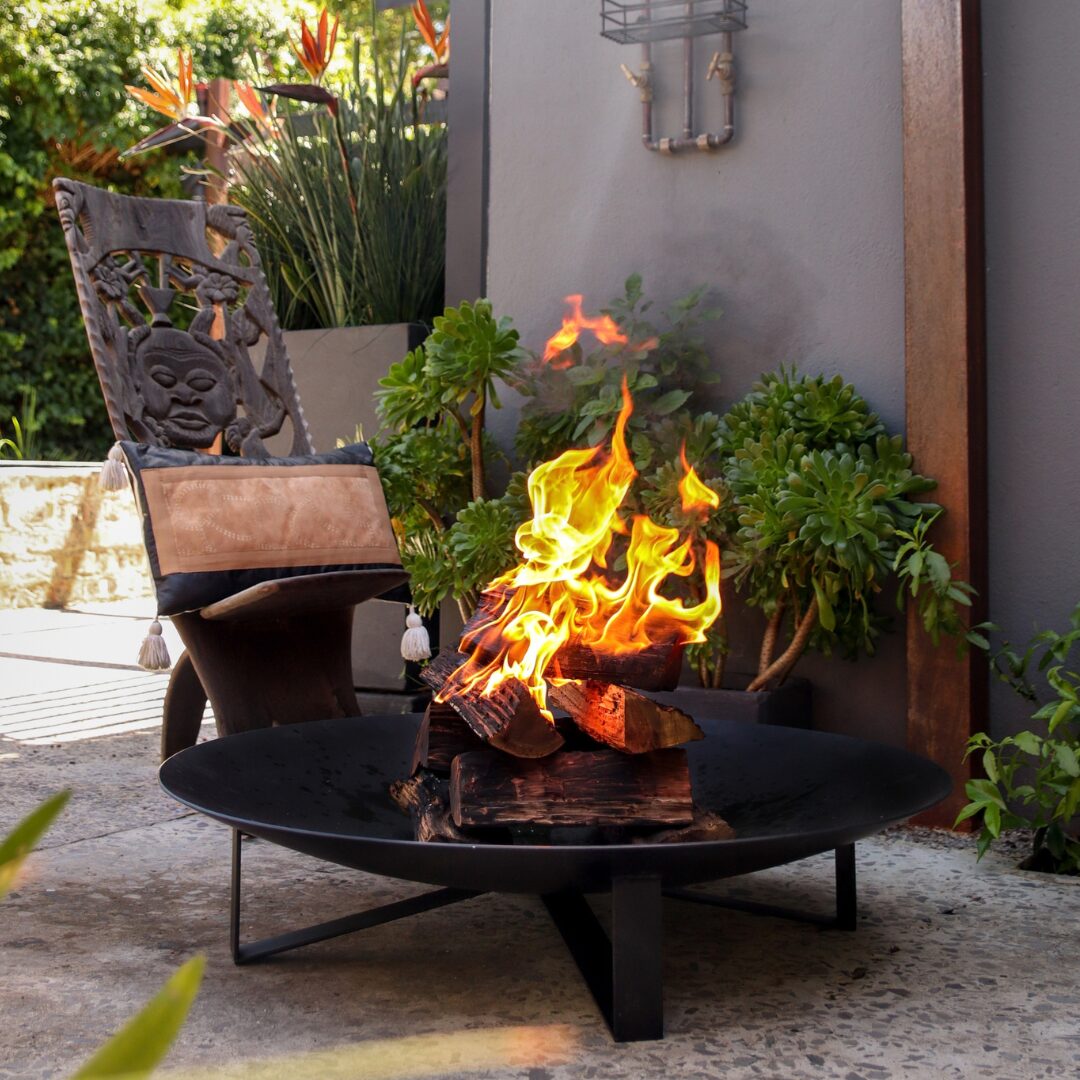
Once the fire has established itself, you’ll start seeing those tall, bright flames we naturally associate with burning wood.
But here’s something you may not know: the visible flames aren’t actually the solid wood burning.
As the wood heats up, it begins releasing combustible gases. These gases mix with oxygen and ignite above the wood, producing the flames you see dancing above the logs.
This process is known as pyrolysis.
So, when you’re watching flames move above a log, you’re actually watching gases released by the heated wood burning in the air.
Pretty impressive for something humans have been sitting around for thousands of years.
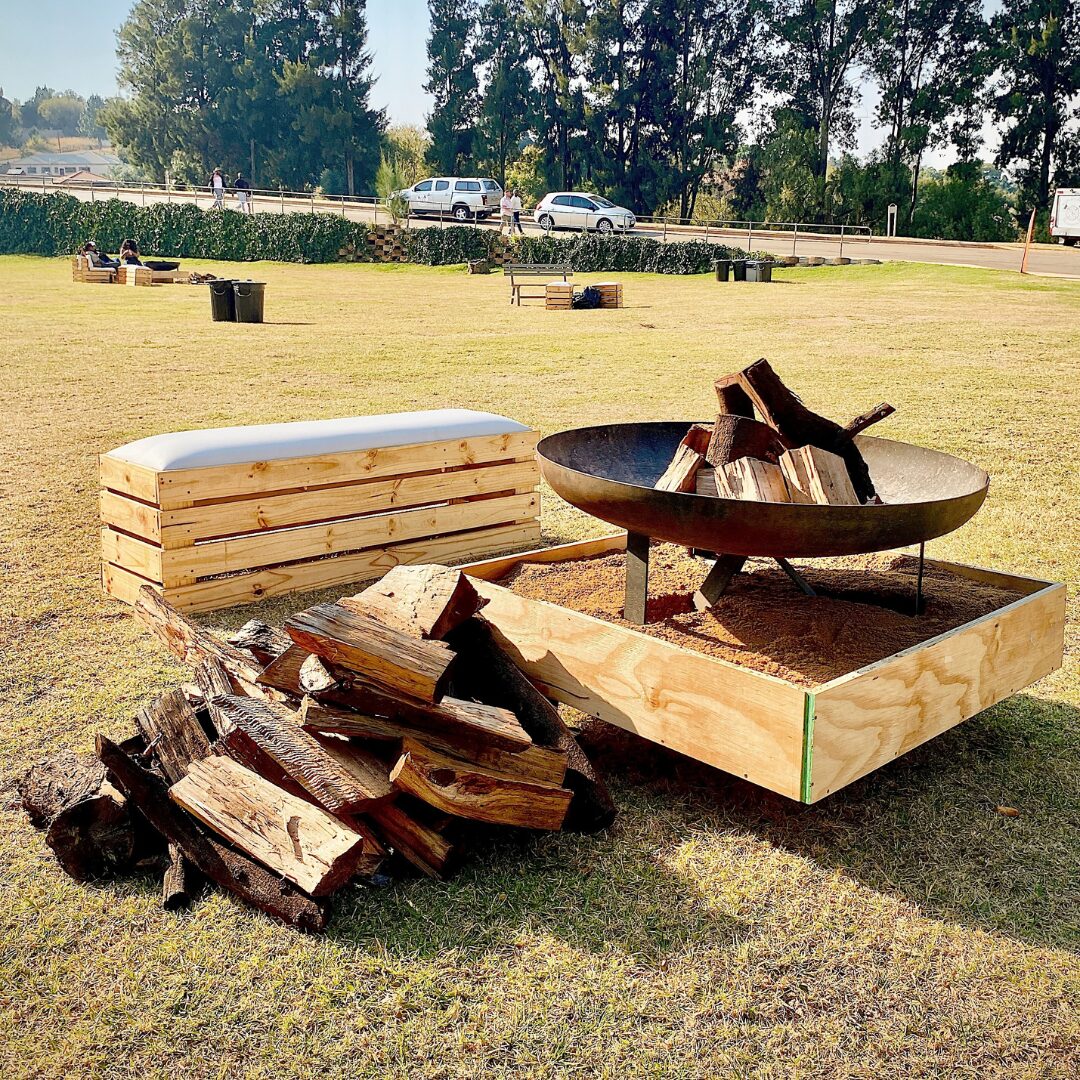
Stage 3: The Fire Settles
Eventually, those dramatic flames begin to settle.
The logs become charred, the fire develops a deeper glow and a bed of hot embers begins forming underneath.
It may look as though the fire is becoming less powerful, but this stage can produce intense, consistent heat.
And if you’re planning to cook, this is the part you’ve been waiting for.
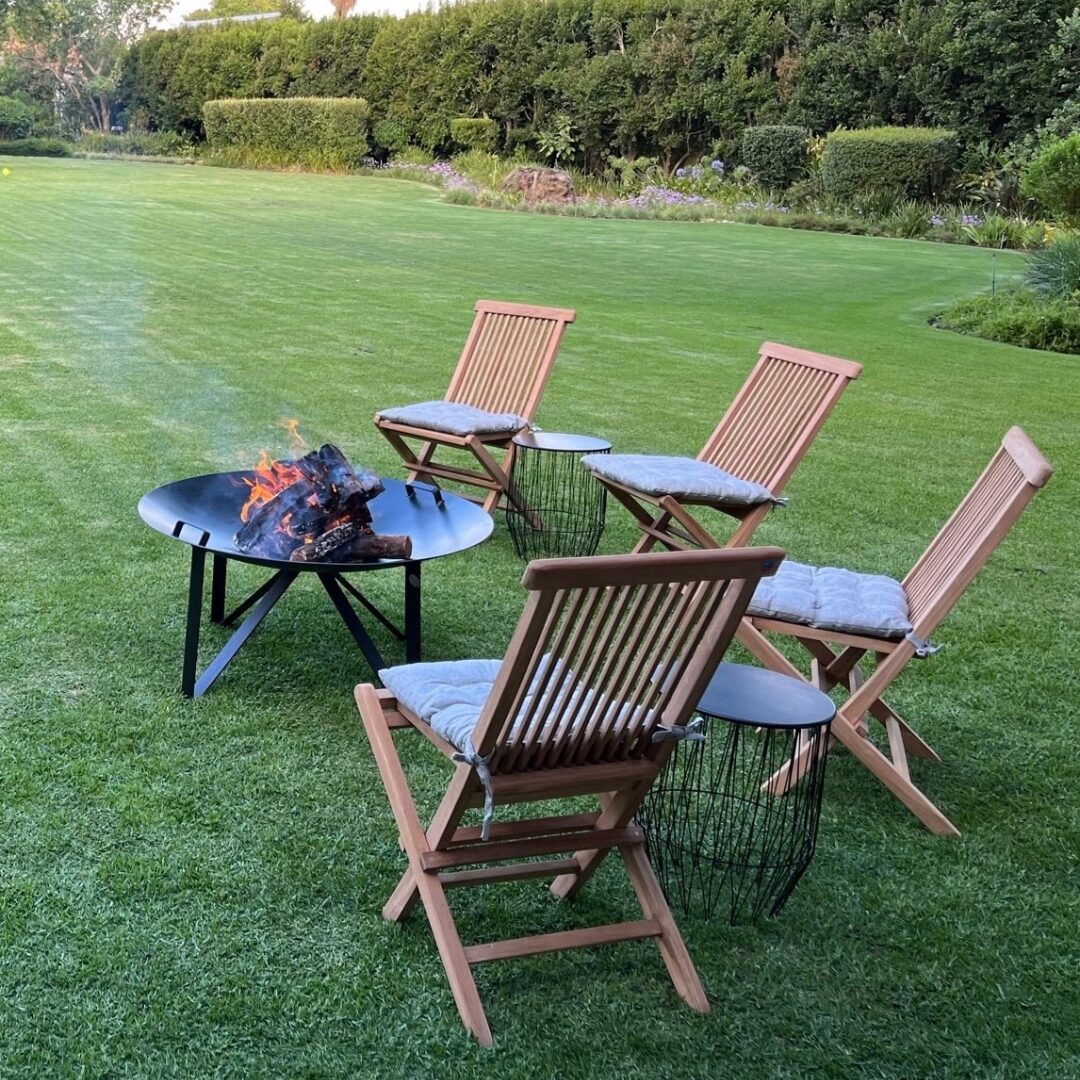
Stage 4: Hello, Cooking Coals
One of the biggest mistakes when cooking over fire is being too impatient.
Big flames might look impressive, but they’re not always what you want underneath your food. A well-established bed of glowing coals provides a steadier, more manageable source of heat.
Exactly when they’re ready will depend on the wood, fire and what you’re cooking, but you’re generally looking for glowing embers and a more settled fire rather than newly lit logs and unpredictable flames.
That’s when it’s time to bring out the cooking grid – and perhaps try one of our Fireside Favourites while you’re at it.
Garlic butter braai bread, anyone?
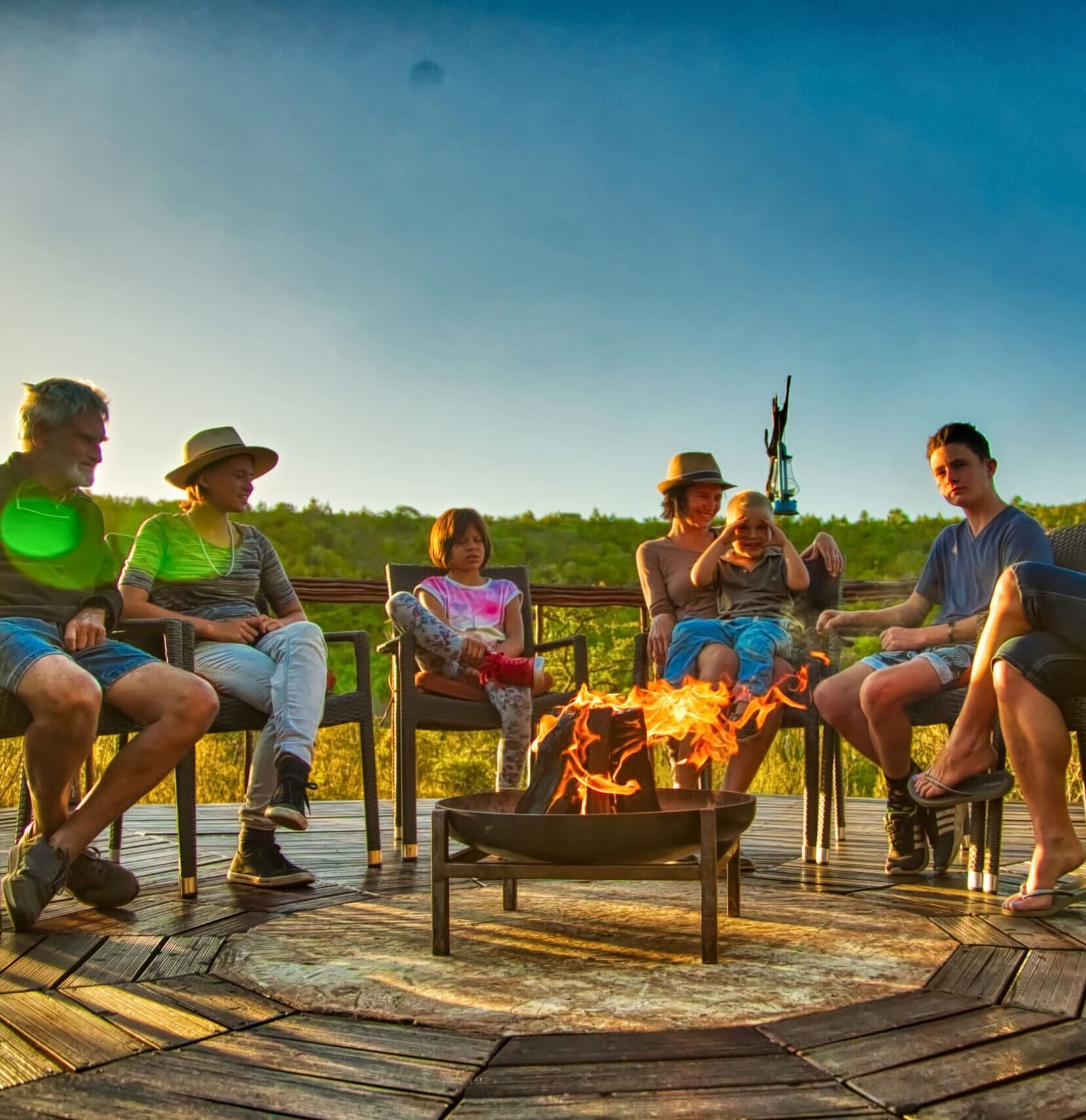
Stage 5: Keeping It Going
Not ready for the evening to end?
Adding another log can keep the fire going, but timing makes a difference.
Adding dry wood while you still have a healthy bed of hot coals makes it much easier for the new log to catch. Those existing embers provide the heat needed to start the process all over again.
Add too much wood at once, however, and you can restrict airflow and temporarily smother the fire.
Sometimes the best thing you can do is simply let the fire do its thing.

Stage 6: The Last Glow
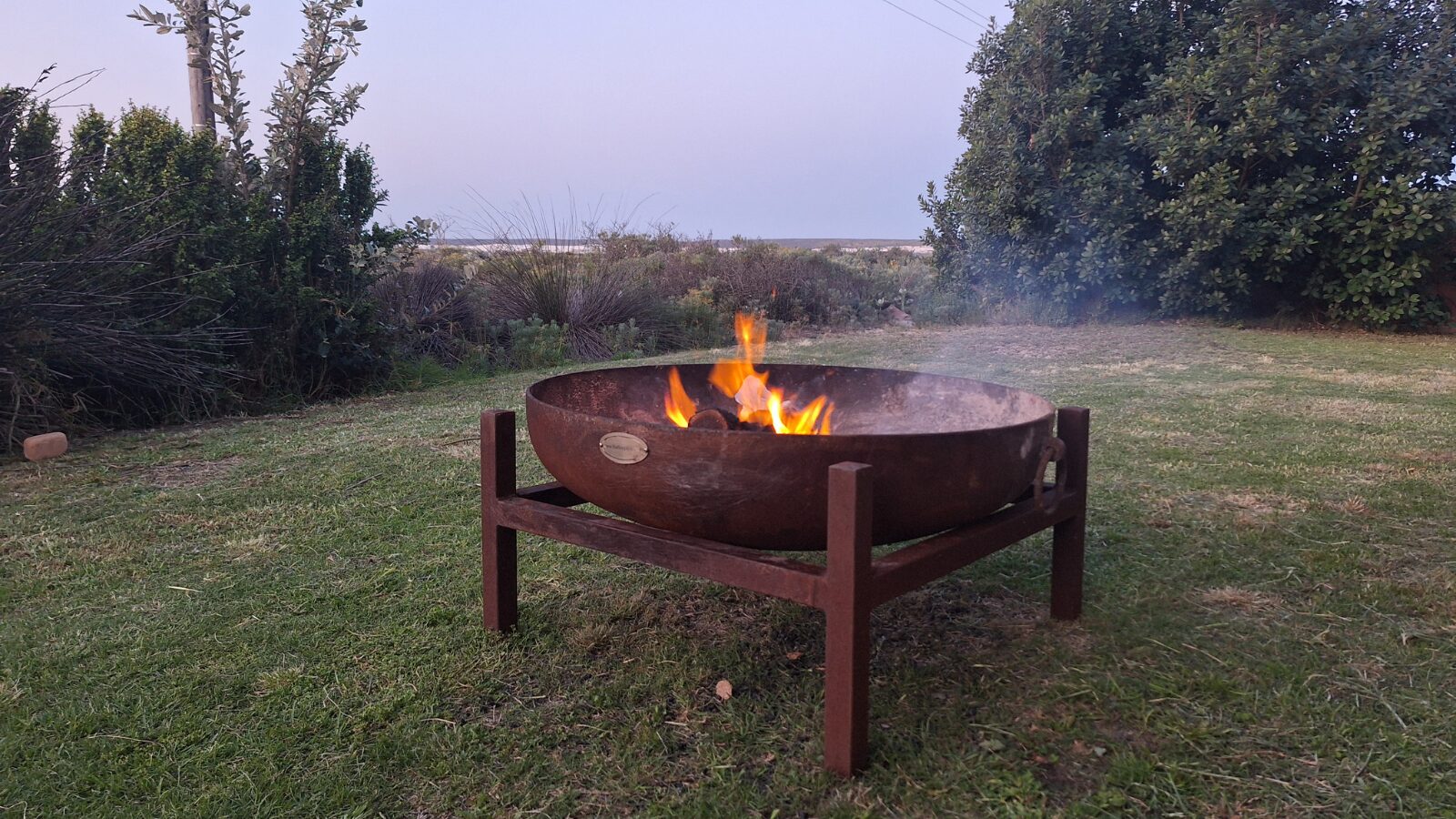
Eventually, the flames disappear and you’re left with glowing embers.
There’s something particularly satisfying about this stage of a fire. The cooking is finished, the evening has slowed down, and everyone seems to stay seated for just a little longer.
Even without visible flames, those embers can continue giving off heat for quite some time.
And underneath them, a thin layer of ash can actually help insulate the coals and retain some of that heat.

A Better Fire Starts With Understanding It
You don’t need to become a fire expert to enjoy your fire pit.
But knowing what’s happening from that first spark to the final embers can make it easier to build a good fire, maintain it and recognise the best time to cook.
The next time you light yours, watch how it changes throughout the evening.
There’s a lot more happening in those flames than meets the eye.