Preparing Your Fire Pit for Winter: Simple Steps for Better Fires
Preparing Your Fire Pit for Winter: Simple Steps for Better Fires
As the cooler months settle in, outdoor living doesn’t have to come to a stop — in fact, winter is when a fire pit truly comes into its own.
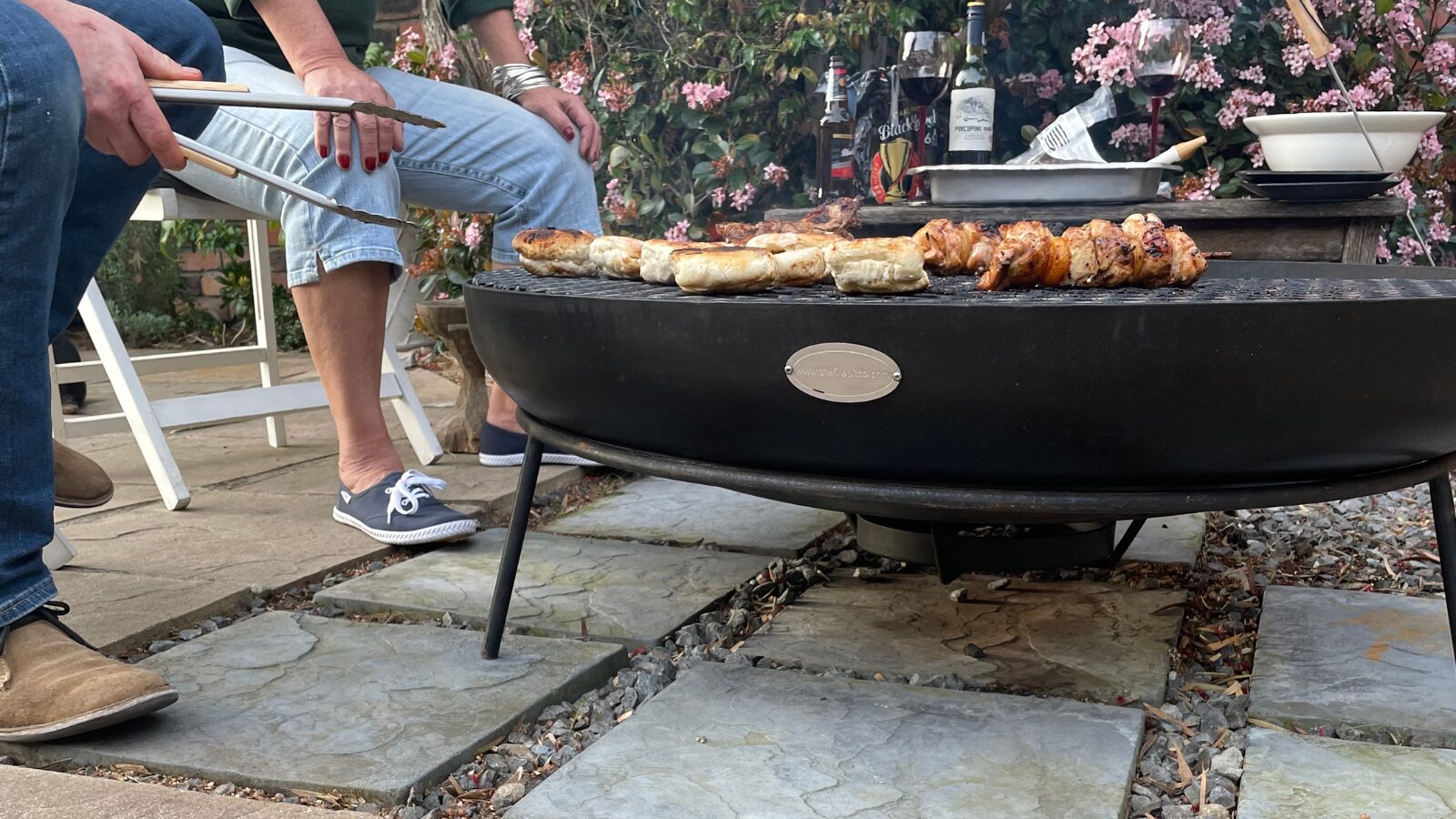
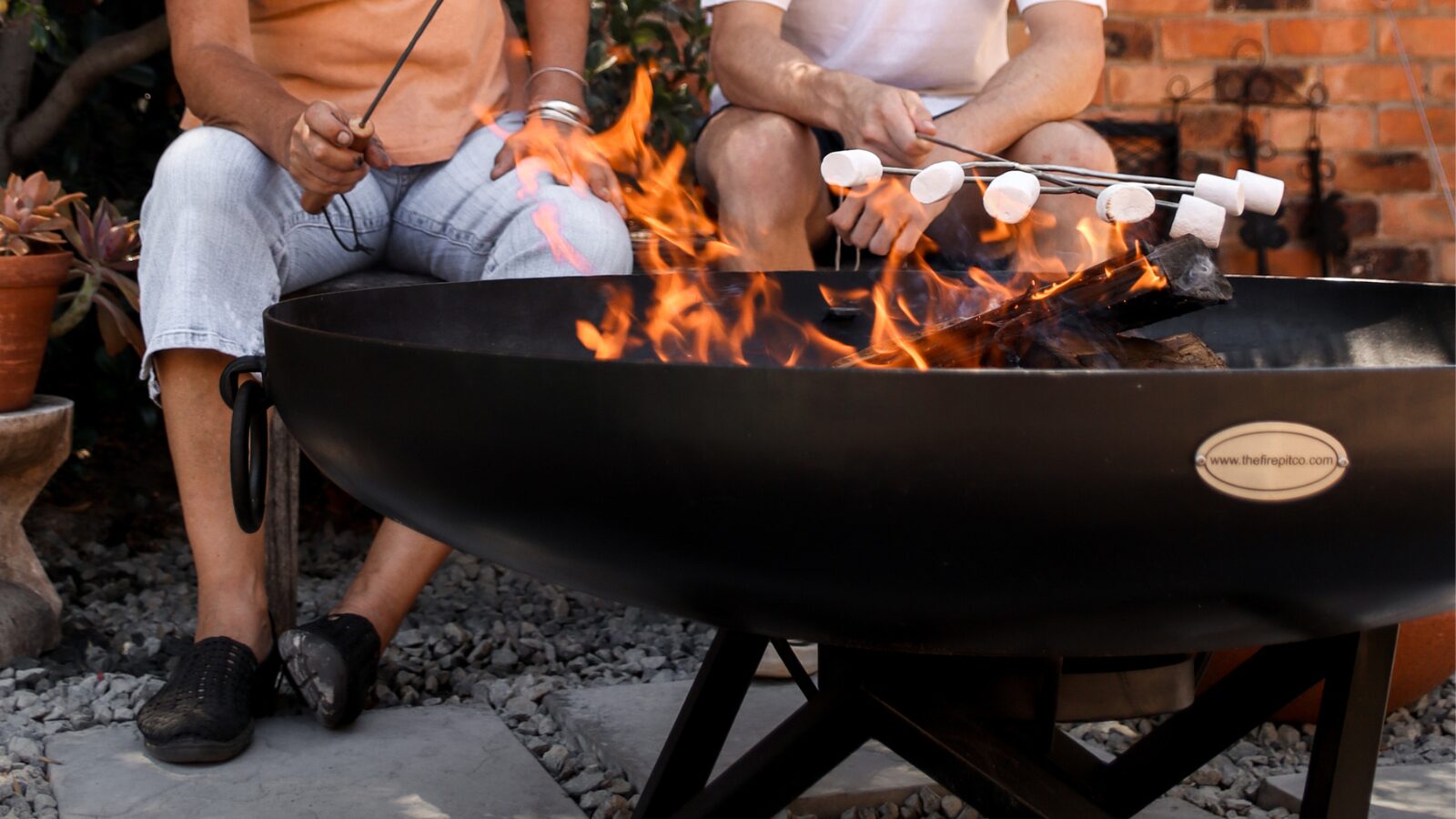
There’s something special about gathering around a warm fire on a crisp evening. Whether it’s quiet family time, weekend entertaining, or simply enjoying your outdoor space a little longer, a well-prepared fire pit makes all the difference.
Before winter fully arrives, taking a few simple steps to prepare your fire pit will help ensure better performance, safer fires, and a longer lifespan for your investment.
1. Give It a Proper Clean
Ash, dust, and leftover debris can build up over time, especially after frequent use. Before winter starts, clear out old ash and give the bowl a proper clean.
This helps improve airflow, keeps your fire burning efficiently, and prevents unnecessary moisture build-up sitting against the steel.
A clean fire pit also makes it easier to inspect for any wear that may need attention.
2. Check for Surface Wear
Fire pits are made to handle heat and the elements, but it’s normal for finishes to change over time.
Look out for:
- Surface rust or developing patina
- Worn protective coatings
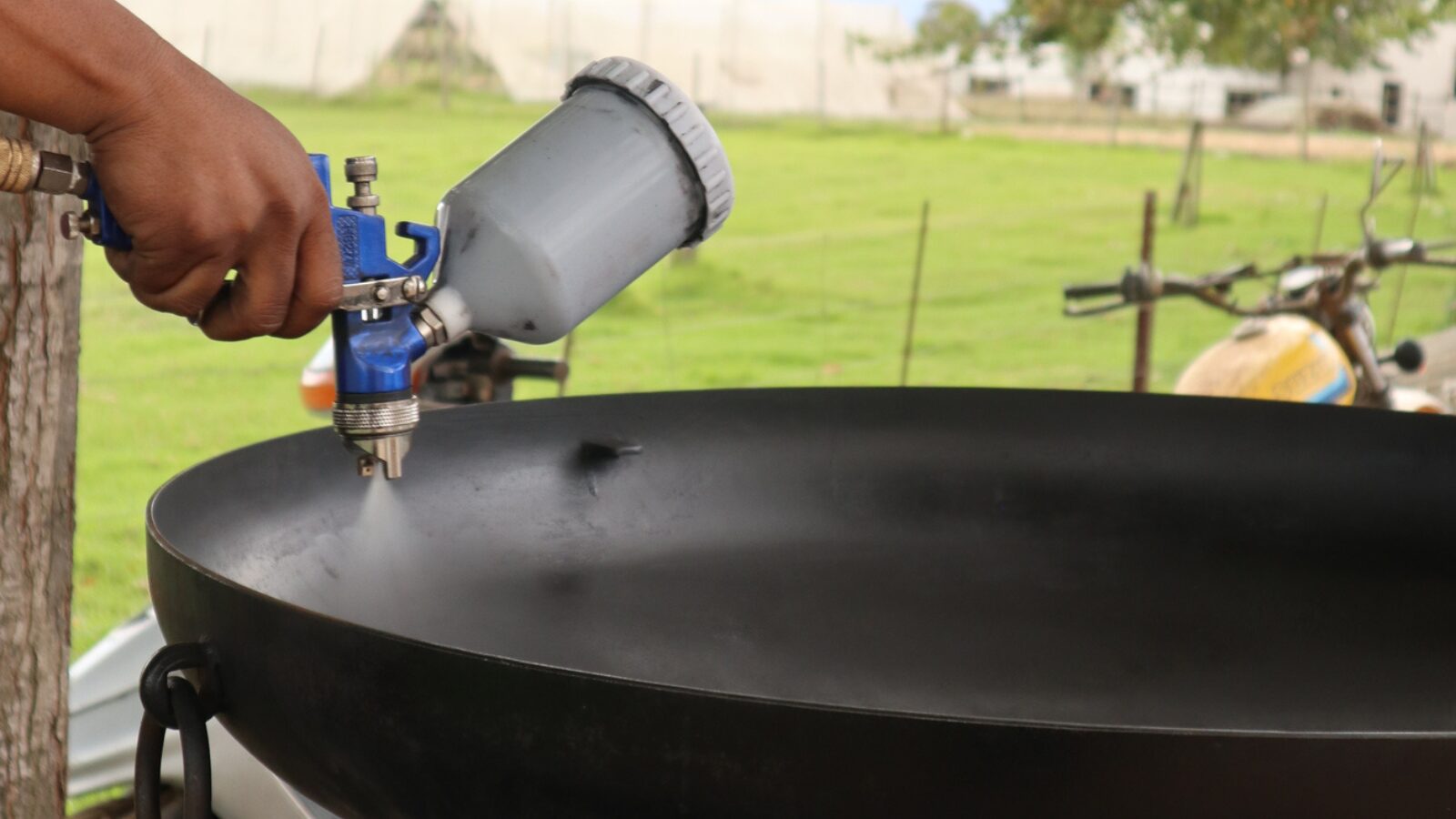
- Areas that may need sanding or refinishing
- General signs of weather exposure
Some finishes, like rusting patina, are designed to evolve naturally, while others may benefit from a simple refresh before winter use increases.
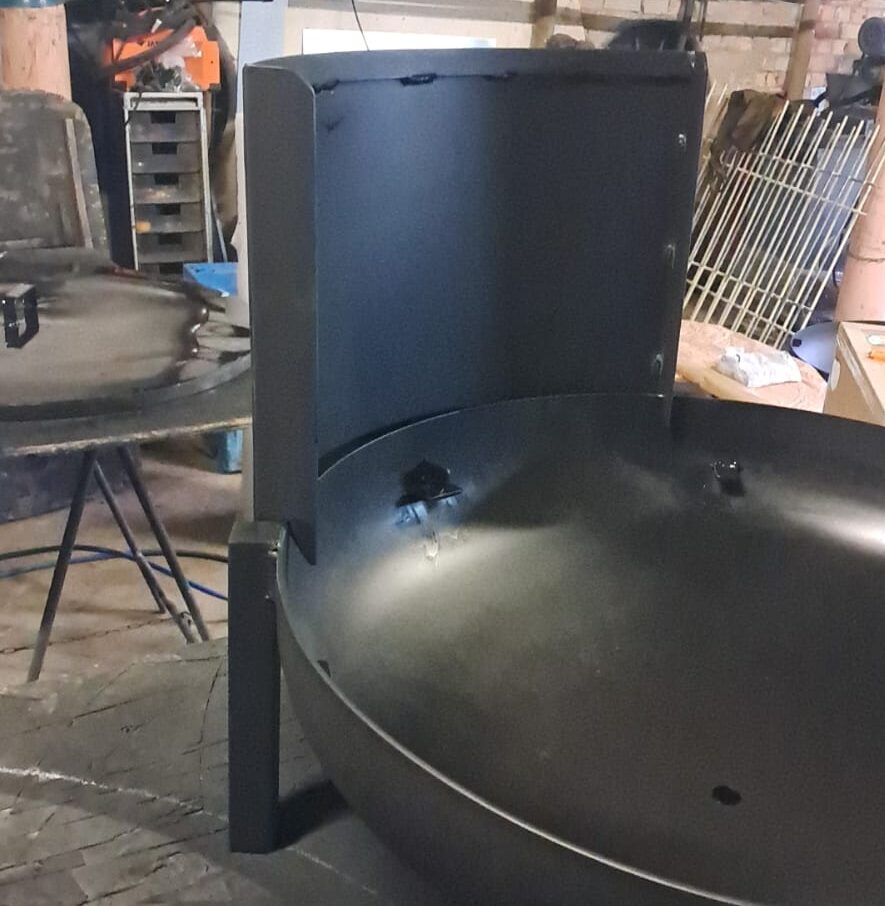
3. Protect Against Wind
Winter often brings stronger winds, which can affect how your fire burns and how much heat you retain.
Using a wind shield can help improve flame control, reduce unnecessary smoke movement, and keep your fire burning more efficiently — especially in exposed outdoor spaces.
It’s a practical addition that makes a noticeable difference during colder months.
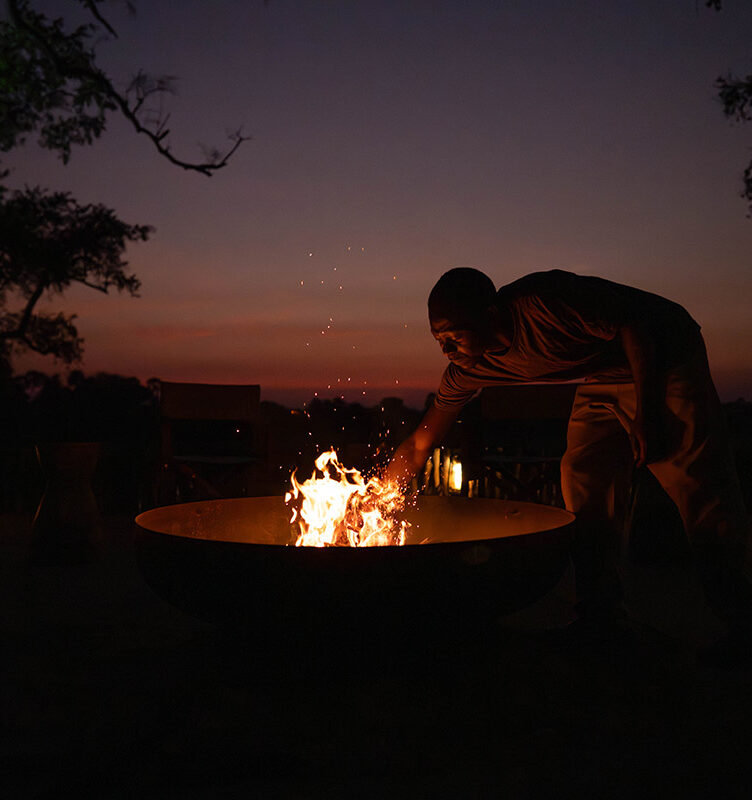
4. Use the Right Firewood
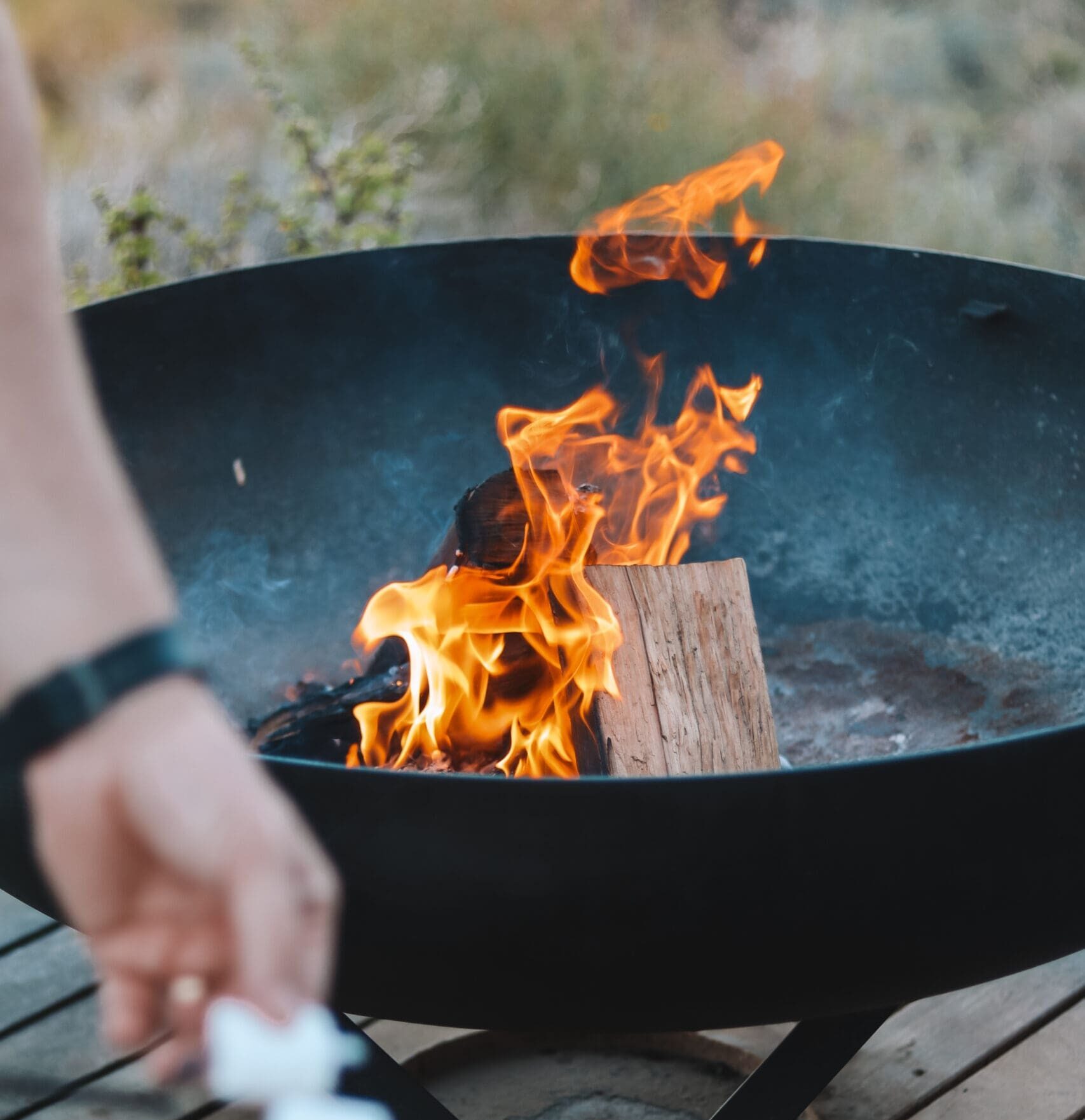
Not all wood burns the same. Hardwood is always the better choice for winter fires because it burns hotter, longer, and cleaner than softwood.
Make sure your wood is properly seasoned (dry), as wet or freshly cut wood creates more smoke, less heat, and a far less enjoyable fire.
Good firewood means better fires — simple as that.

5. Think About Your Setup
Winter is the perfect time to reconsider how your outdoor space functions around the fire pit.
Do you need better seating?
More protection from wind?
A nearby wood storage solution?
Additional accessories like a grid, cover, or side table?
Small improvements can completely change how often and how comfortably you use your fire pit during winter.
Final Thoughts
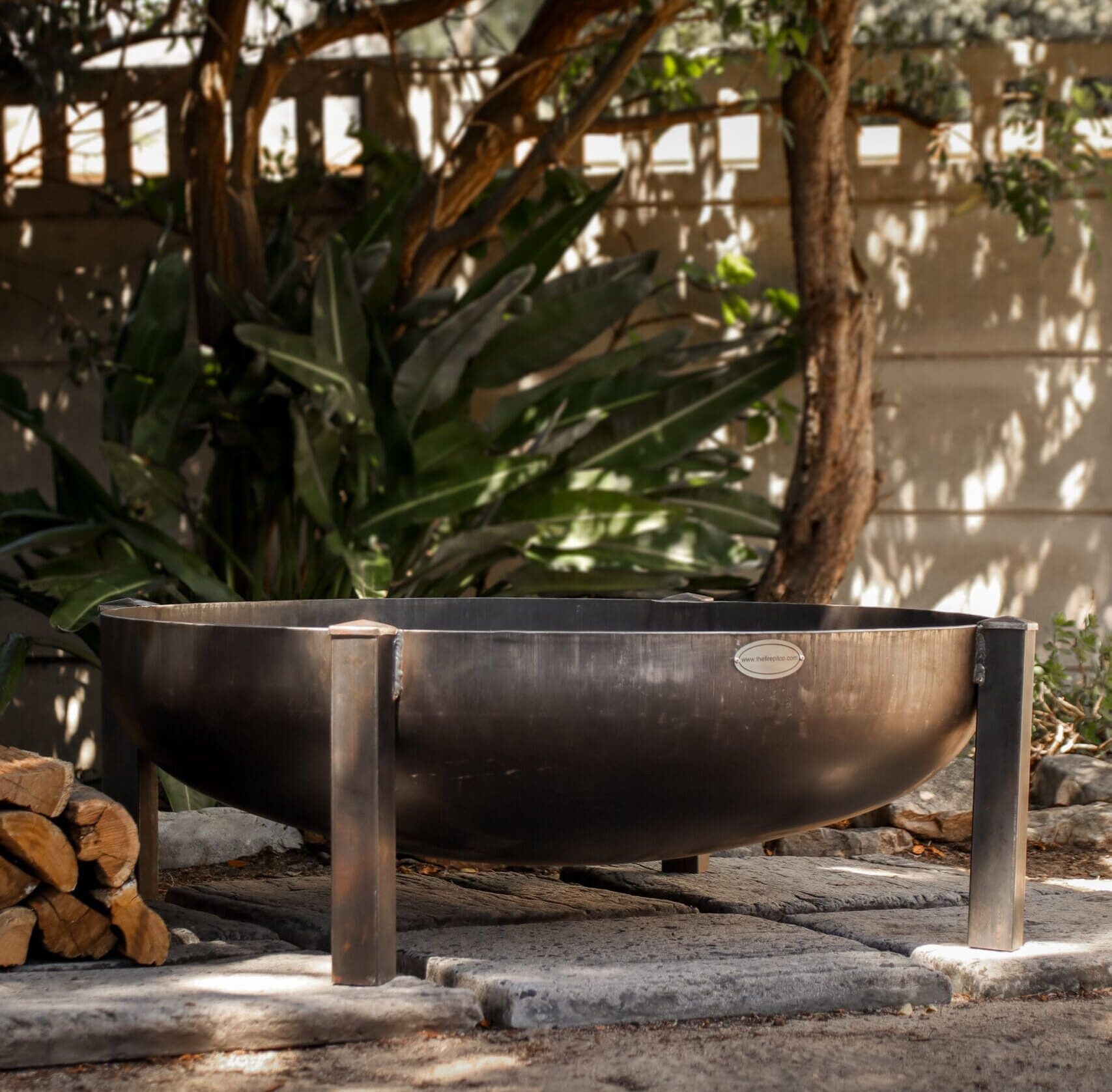
A fire pit isn’t just a summer feature — winter is when it often becomes the heart of the space.
With a little preparation, your fire pit can carry you through colder evenings with better heat, better atmosphere, and better moments shared outdoors.
Because good fires aren’t seasonal — they’re year-round.
Need help preparing your fire pit for winter?
From wind shields to covers and accessories, we’re here to help you get the most out of your fire pit this season.